Procurement
Buying microscopes and lab equipment through GeM
A short guide for government laboratories, hospitals and colleges buying instruments on the Government e-Marketplace.
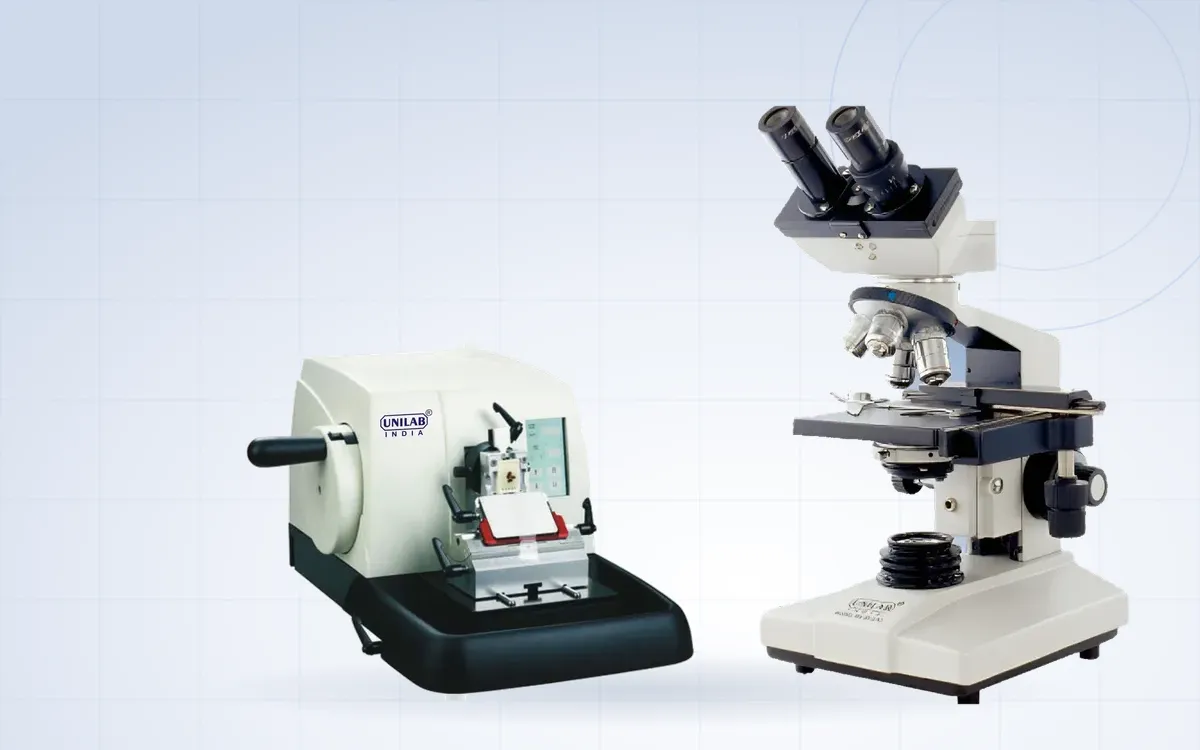
Government departments, public hospitals, universities and many other public bodies buy laboratory equipment through the Government e-Marketplace, usually called GeM. The platform lists products from registered sellers with standard specification fields, so buyers can compare offers on the same basis.
This article gives a practical overview. The exact procedure, limits and approvals depend on the General Financial Rules and your organisation's own policy, so confirm them with your purchase section.
Ways to buy
Depending on the value of the purchase and the applicable rules, buyers on GeM can typically:
- Buy directly from a listing that meets the requirement.
- Compare offers from several sellers and choose the lowest priced one that meets the specification.
- Create a bid or reverse auction, where sellers respond to the buyer's specification.
Your purchase section will know which route applies.
Write the specification from the work
The most useful thing a laboratory can do is describe what the instrument is for, then turn that into specification values. For a microscope, that means the type of work, the viewing head, the objectives, illumination and the standards needed. Avoid copying a specification from an unrelated tender. It may include a value no current product meets, which can delay the purchase.
Our article on reading microscope specifications on GeM explains the common fields.
Check what will arrive
Before placing an order, confirm:
- The exact model and that its declared specifications match your requirement.
- The warranty period and what it covers.
- Installation and demonstration, especially for multi-head microscopes, microtomes and centrifuges.
- Any documents you need at delivery, such as test reports or conformity certificates.
- Accessories included in the scope of supply, such as spare eyepieces, a dust cover, blades or rotors.
After delivery
Inspect the instrument against the order, check that accessories are present, and keep test reports and warranty documents with the asset record. Ask for a short demonstration so the people who will use the equipment know how to set it up and care for it.
Getting help
If you are planning a purchase and are unsure which model or specification fits, contact us with a description of the work. We can suggest a suitable configuration and explain which specification values describe it.
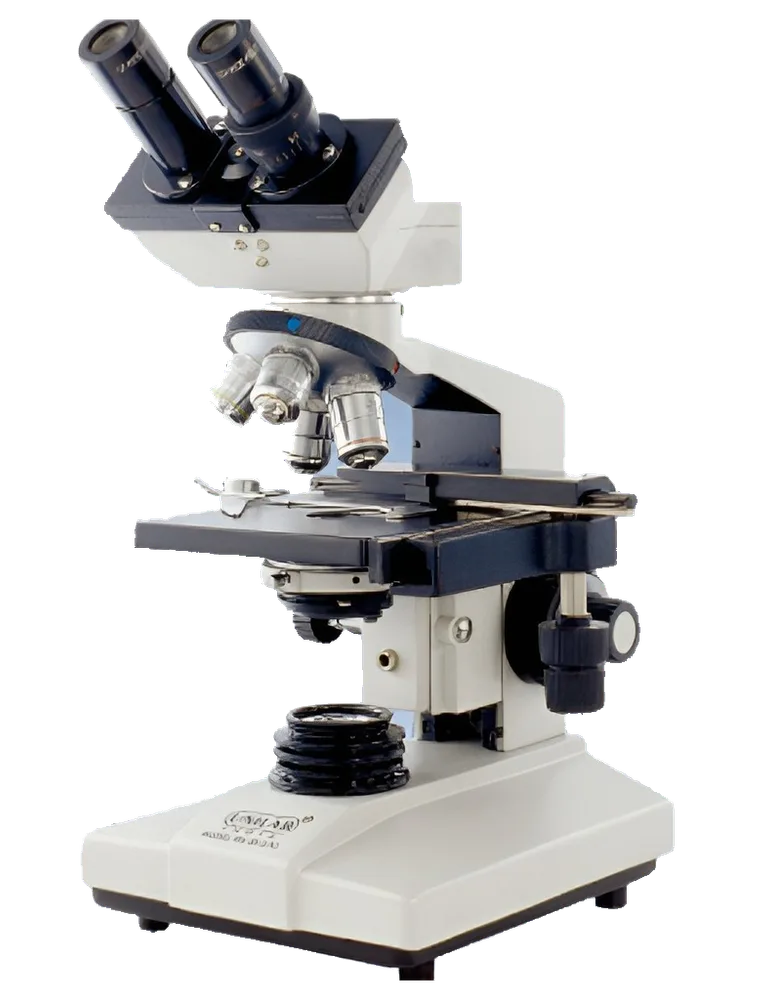
Trinocular Research Microscope
Used for advanced microscopic viewing and imaging in research labs.
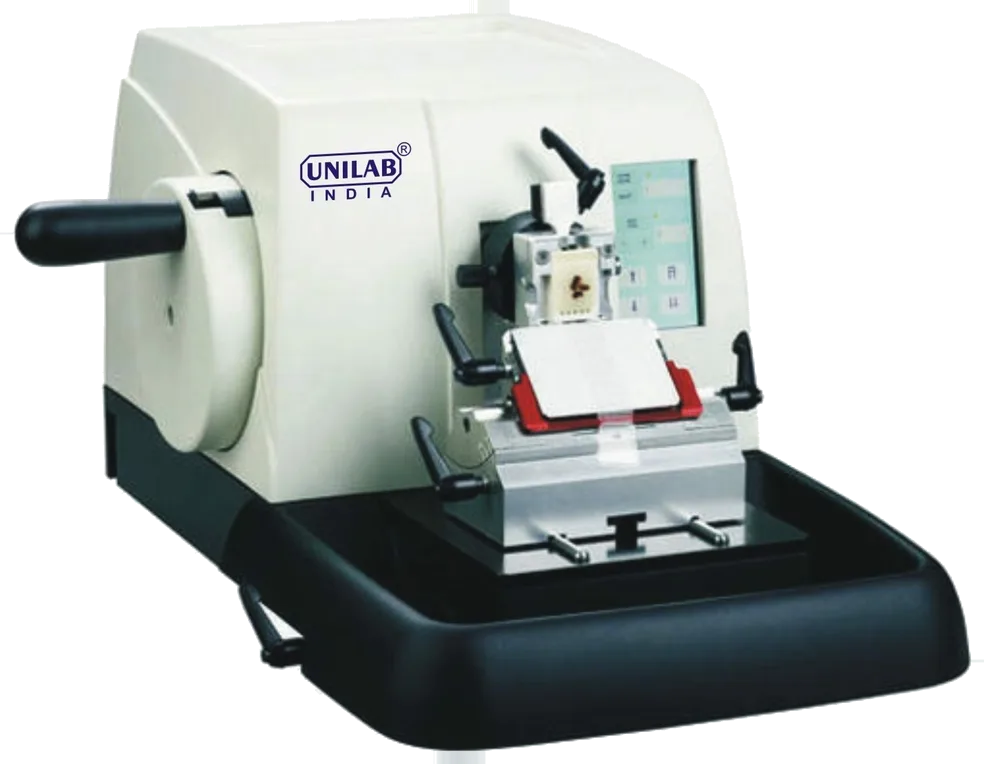
Semi-Automatic Rotary Microtome
For sectioning of organic tissue into thin sections for microscopic examination of specimens.
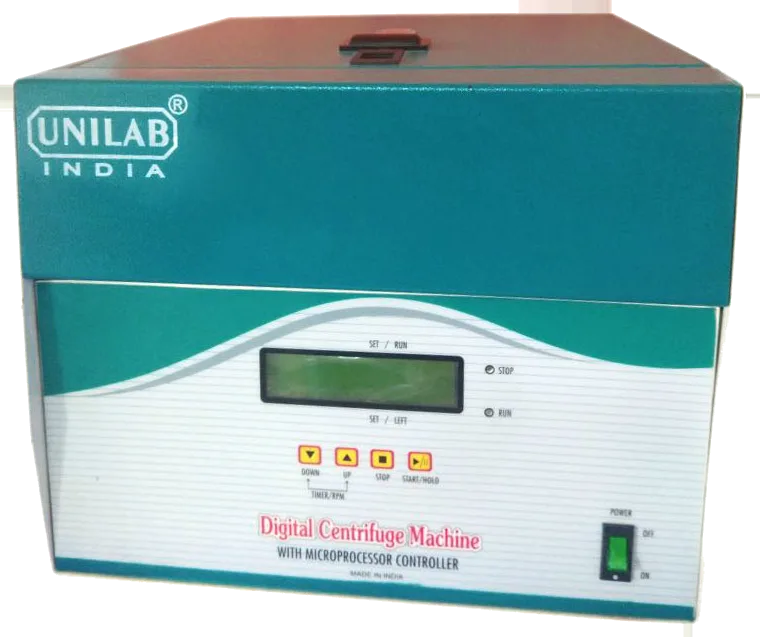
Digital Angle-Rotor Centrifuge
For separating Serum from blood or for urine sedimentation.