Buying guide
How to choose a laboratory microscope: eight questions to answer first
Before you compare models or prices, settle these eight questions. They decide most of the specification for you.
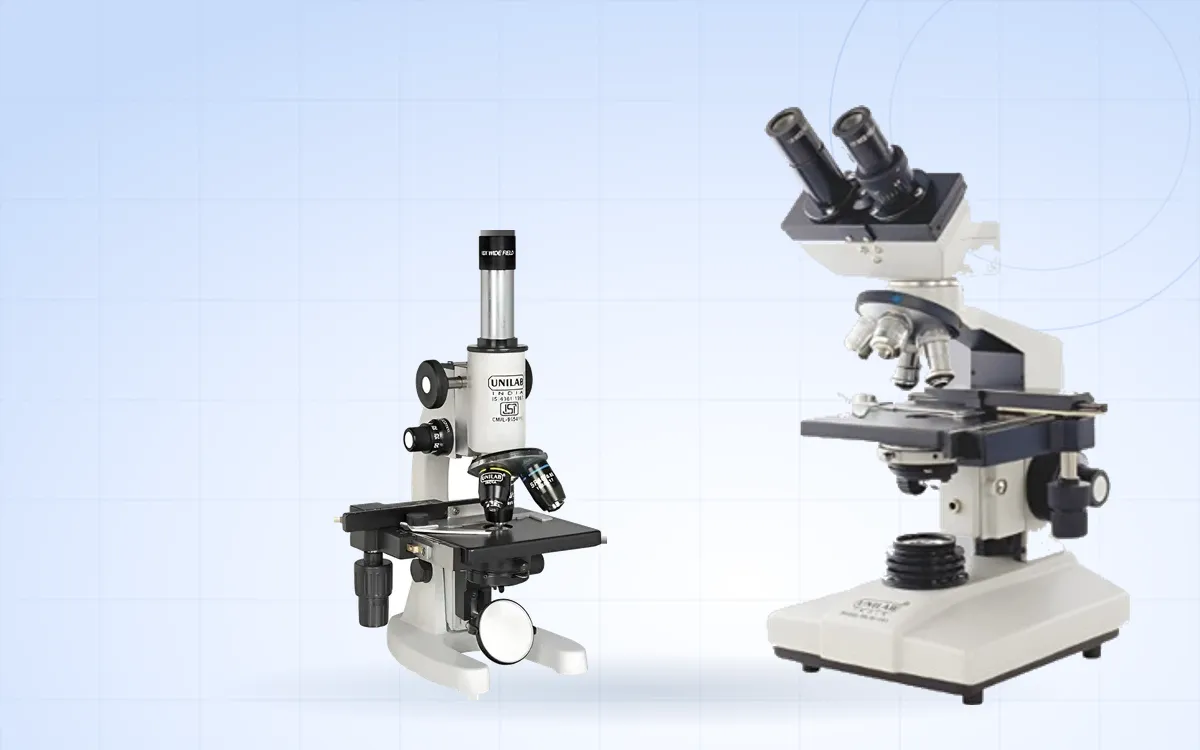
Most microscope purchases go wrong in the same way. Someone compares two spec sheets line by line, picks the one with more features, and only later finds out the lab needed something else entirely. A better order is to describe the work first and let the specification follow.
These are the questions we ask when a laboratory contacts us for a quote.
1. What will you look at, most days?
Stained tissue sections, blood smears and urine sediment all need a compound microscope with objectives up to 100x. Insects, plant parts, circuit boards and anything thick or opaque need a stereo microscope instead. If the answer is "both", plan for two instruments. One microscope that tries to do both jobs usually does neither well.
2. How many hours a day will someone sit at it?
For a few minutes at a time, a monocular head is fine and keeps the cost down. For a pathologist or technician who reads slides for hours, a binocular head is worth paying for. Using both eyes is far less tiring, and the interpupillary distance and diopter adjustments let each user set it up properly.
3. Do you need to photograph or display what you see?
If images go into reports, teaching material or a lab information system, choose a trinocular head. The third port takes a camera without disturbing the eyepieces. Some models add a built-in screen so a group can watch without a separate monitor.
4. Which objectives does the work really need?
A standard set is 4x, 10x, 40x and 100x oil immersion. Achromatic objectives are the usual choice for routine pathology and teaching. Plan achromats keep the whole field in focus, not only the centre, which matters when you scan large areas or take photographs. Ask what numerical aperture each objective has. For the 100x oil objective, 1.25 is a common figure.
5. LED or halogen?
LED illumination runs cool, uses little power and lasts for tens of thousands of hours. Halogen gives a familiar warm light and the bulbs are cheap to replace. For most new laboratories LED is the practical choice. Make sure there is a brightness control either way.
6. How many people need to see the same slide?
Teaching, tumour boards and second opinions are easier when several people look at once. Multi-head microscopes with five or ten viewing positions exist for exactly this. They need more space and a stable table, so measure the room before you decide.
7. Which standards or paperwork does your purchase need?
Government and institutional buyers are often asked for conformity to Indian Standards, test reports from an accredited laboratory, or an ISI mark. Ask the supplier which documents come with the instrument before you place the order, not after delivery.
8. Who will service it?
A microscope should last many years. Ask about warranty terms, spare bulbs and eyepieces, cleaning, and who to call if the stage or focus mechanism develops a problem. A local manufacturer can usually answer these questions quickly.
Putting it together
Write your answers down in a few lines and send them with your enquiry. With those details we can suggest a configuration and prepare a quote that matches the work, rather than a list of options to sort through.

Advance Binocular Research Microscope
Best for: Research and teaching laboratories
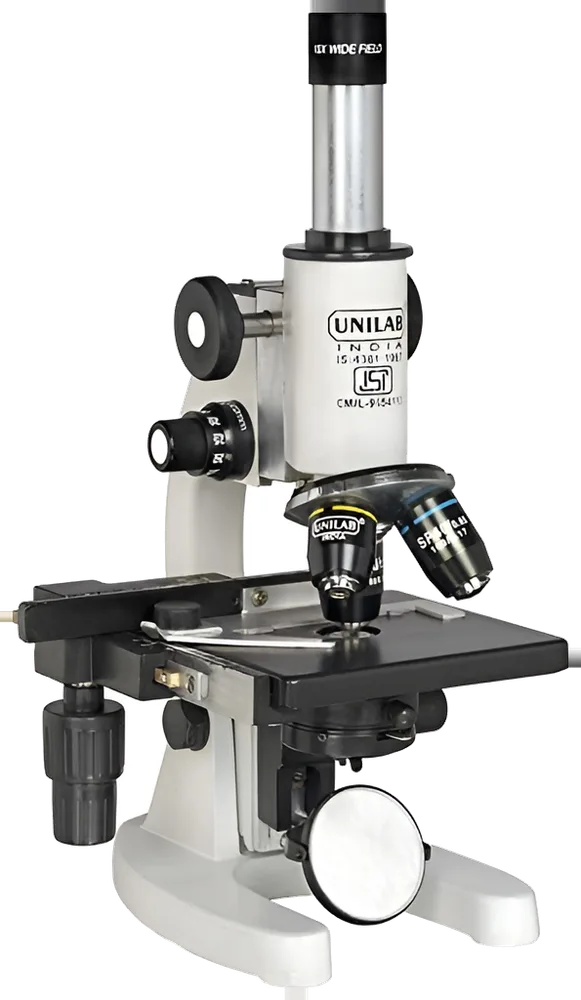
Medical Pathological Microscope
Used for routine clinical examination and detailed analysis of medical specimens in pathology labs
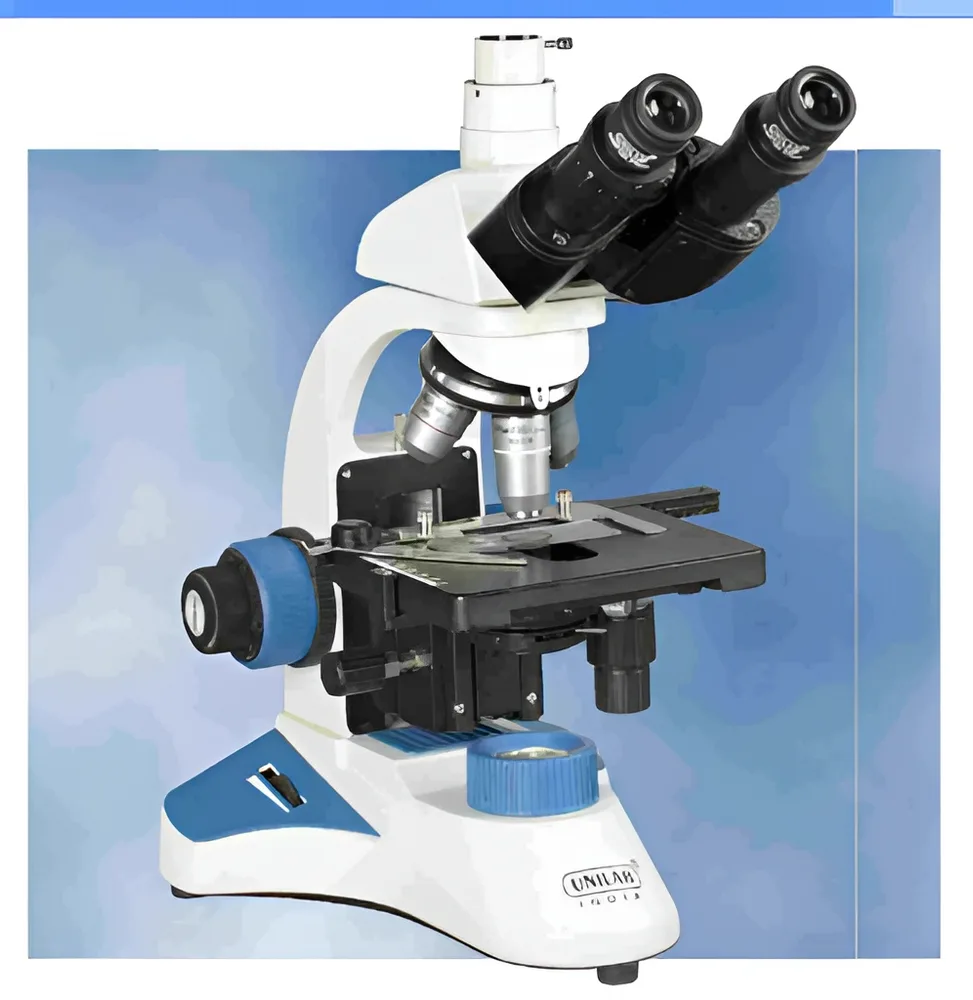
Trinocular Research Microscope
Used for high-precision microscopic observation and imaging in advanced research labs.