Stereo or compound microscope? What each one is for
One gives a three-dimensional view of whole objects at low power. The other looks through thin specimens at high power. Choosing between them starts with the sample.
School and college labs need microscopes that survive daily handling by students, are simple to focus and are affordable in quantity. These models are designed for exactly that, with stereo and dissection microscopes for zoology and botany practicals.
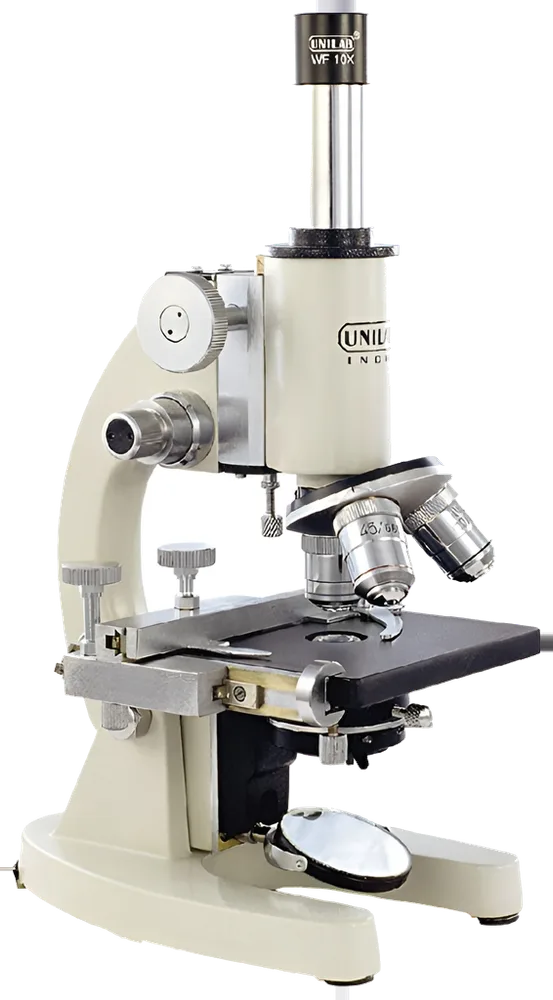
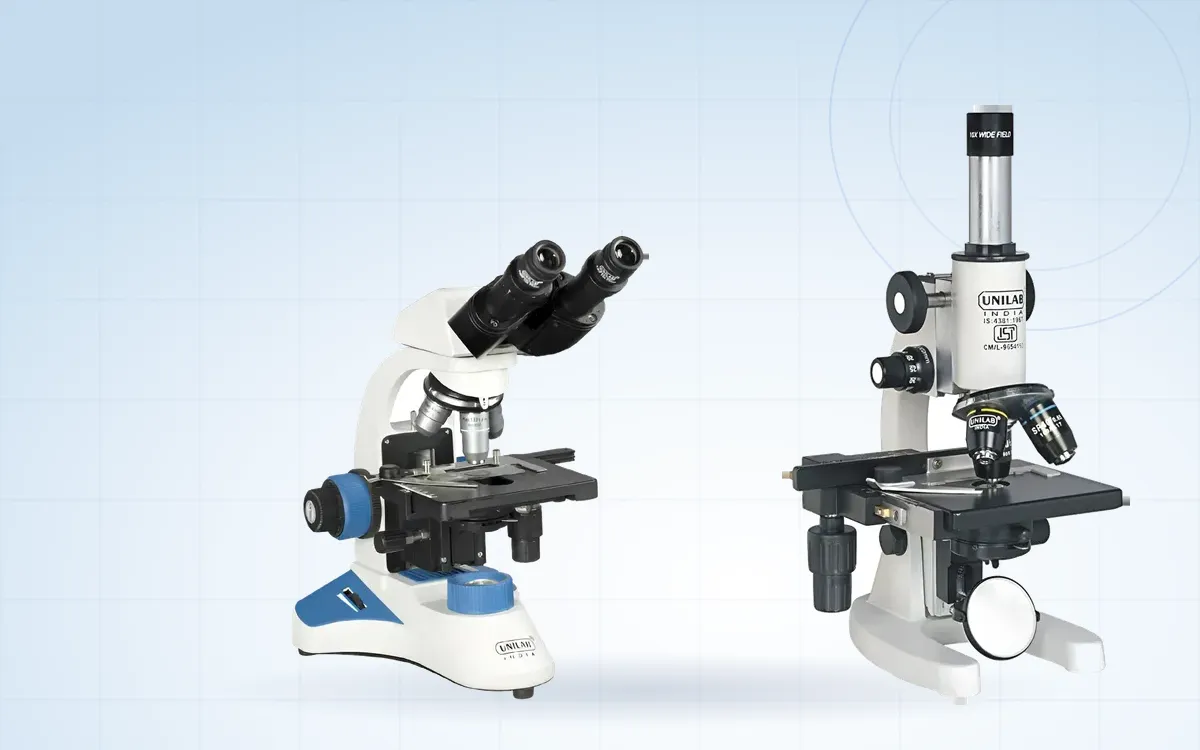
Used for fundamental biological observation and learning in schools and student laboratories.
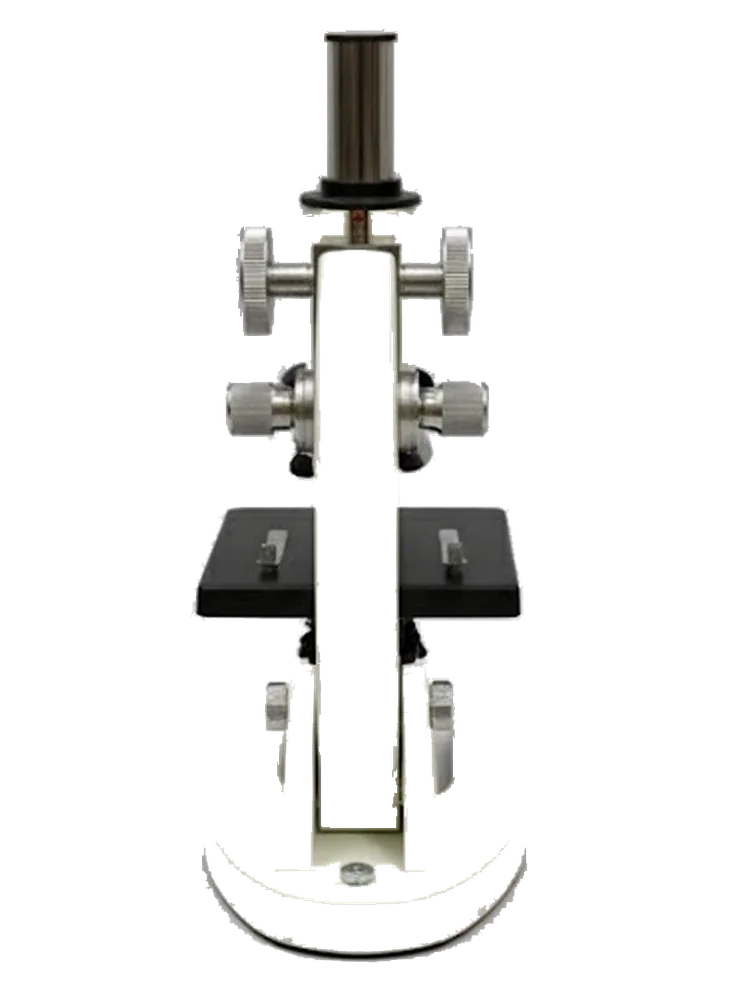
Used for basic microscopic observation and learning in schools and labs.
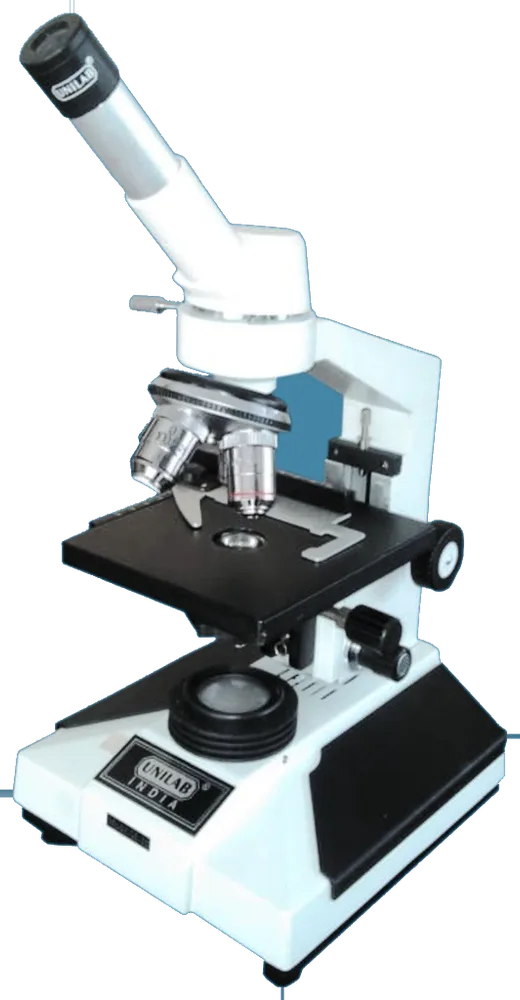
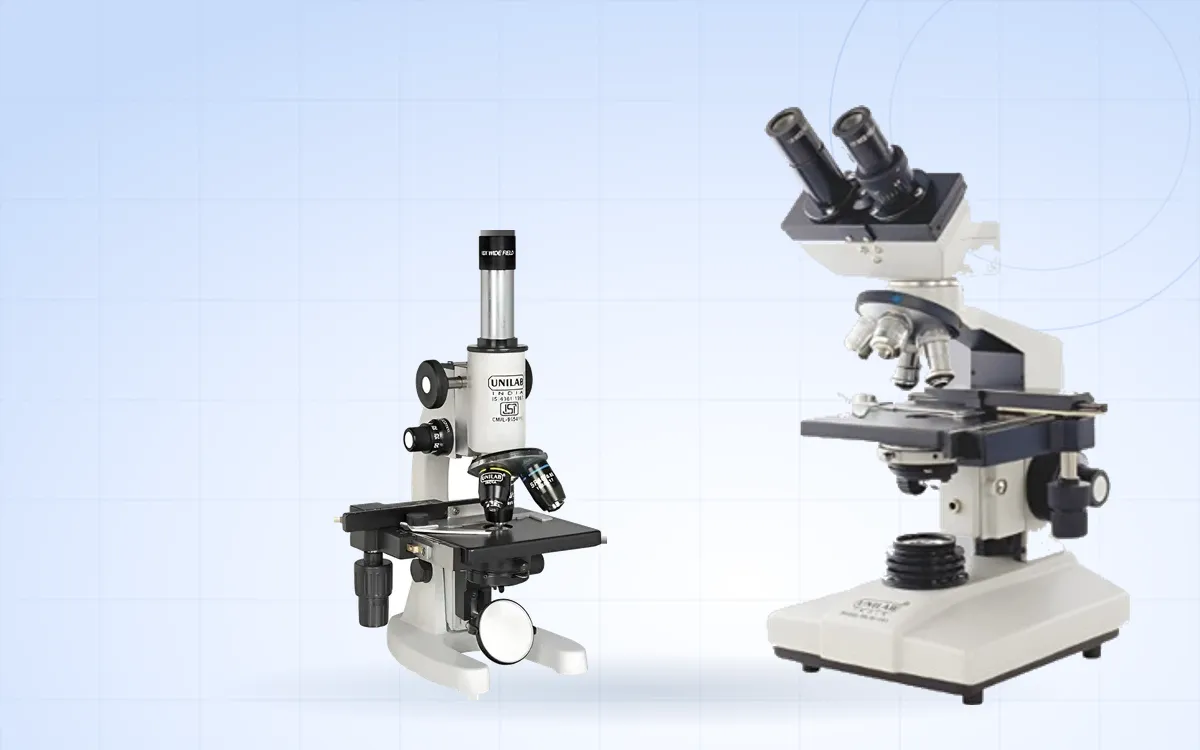
Used to view magnified images of small specimens through a single eyepiece.
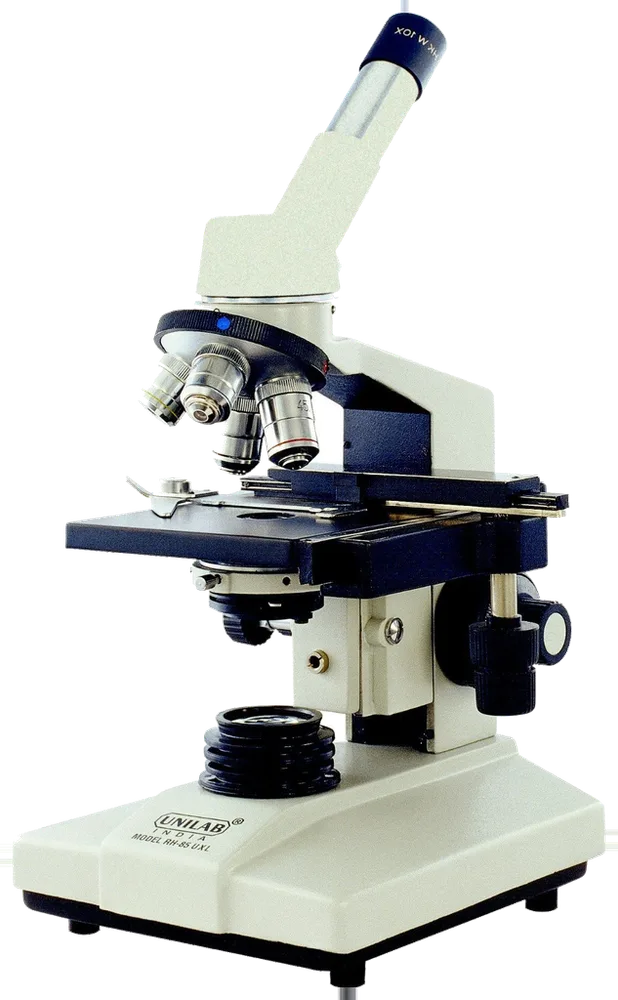
Used for comfortable magnified viewing of specimens through a single inclined eyepiece.
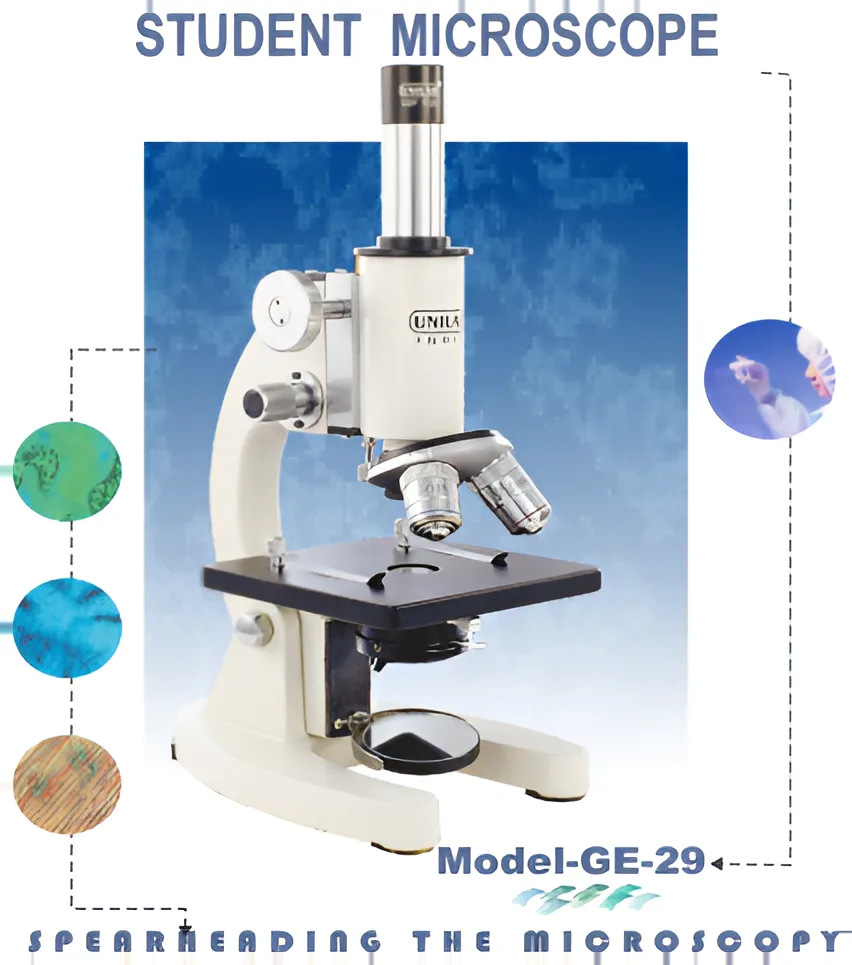
Used for fundamental biological observation and learning in schools and student laboratories.
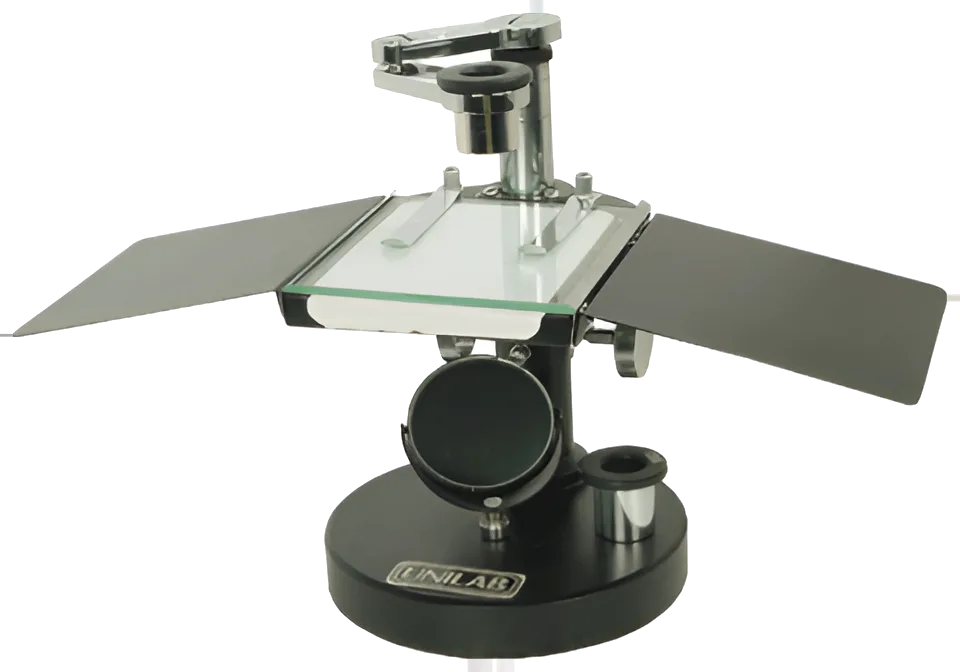
Used for low-magnification observation and precise dissection of small biological specimens.
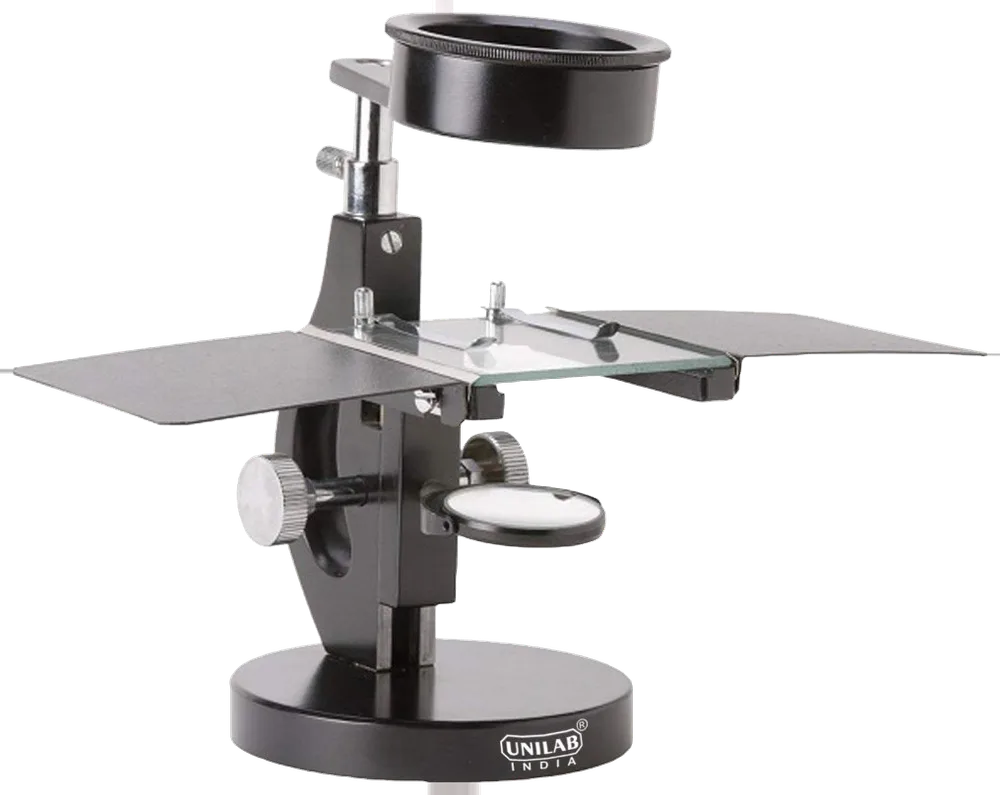
Used for magnified viewing of insects and small specimens during dissection and study.
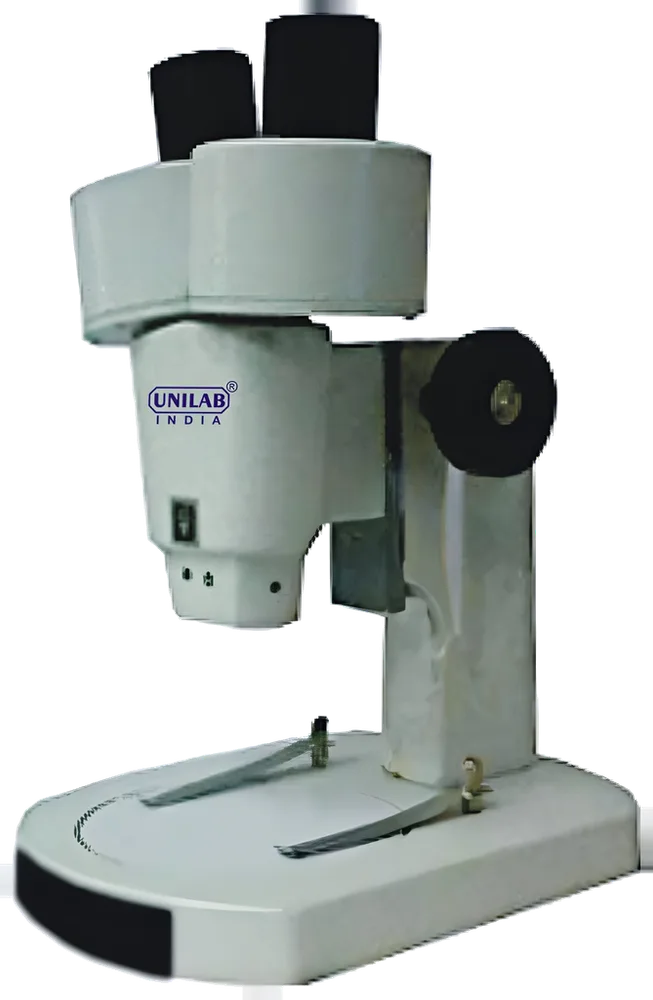
Used to observe small objects with 3D clarity at low magnification.
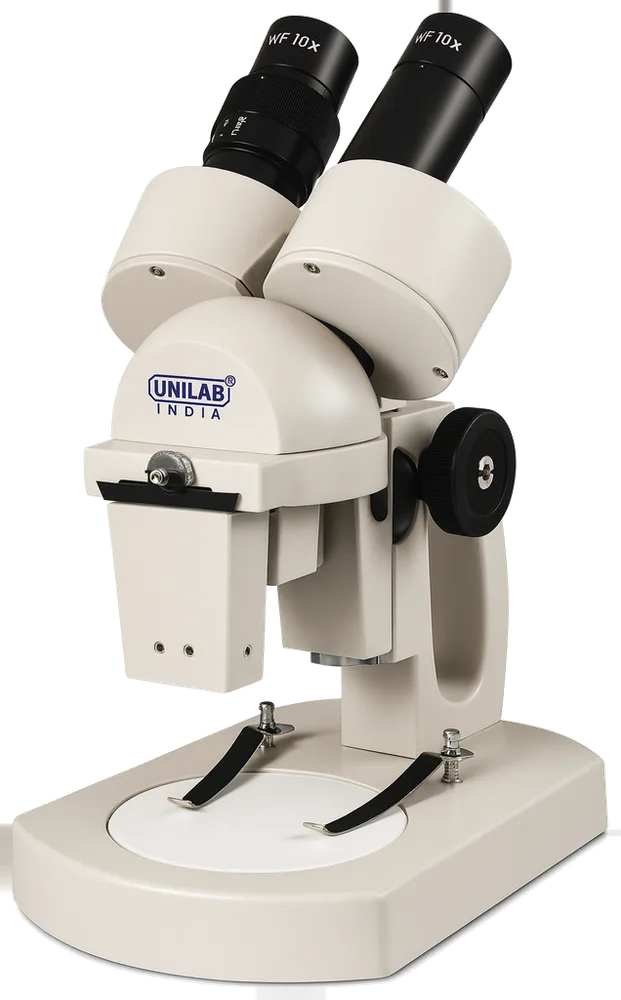
Used to observe small objects with 3D clarity at low magnification.
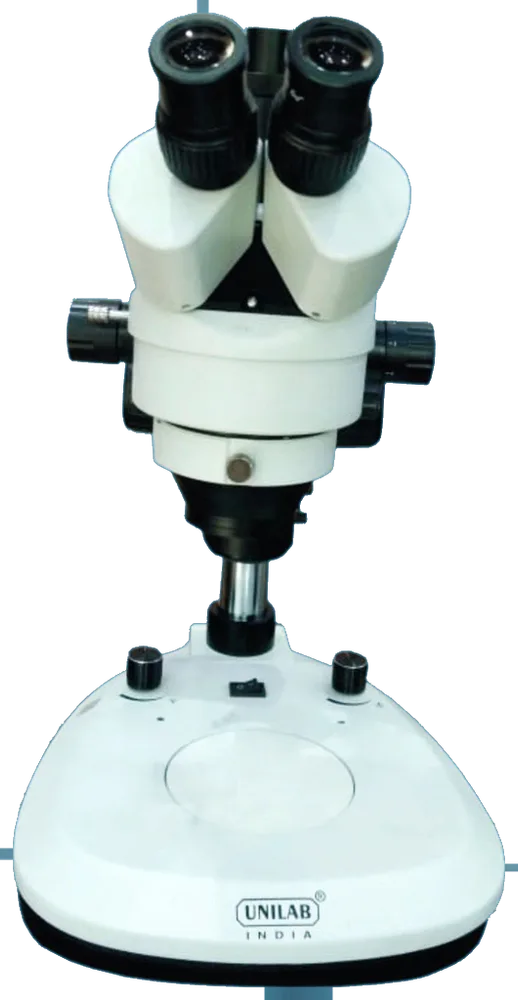
Used to view 3D details of small objects.
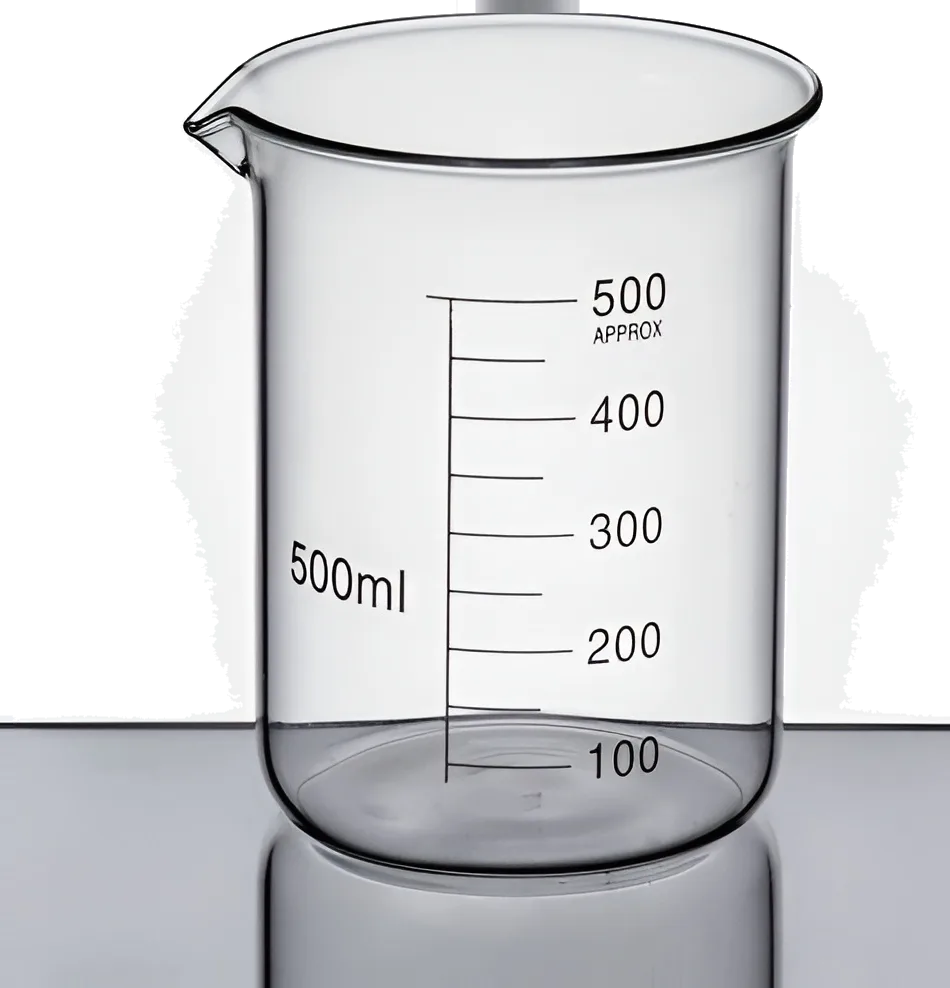
For chemical Laboratory.
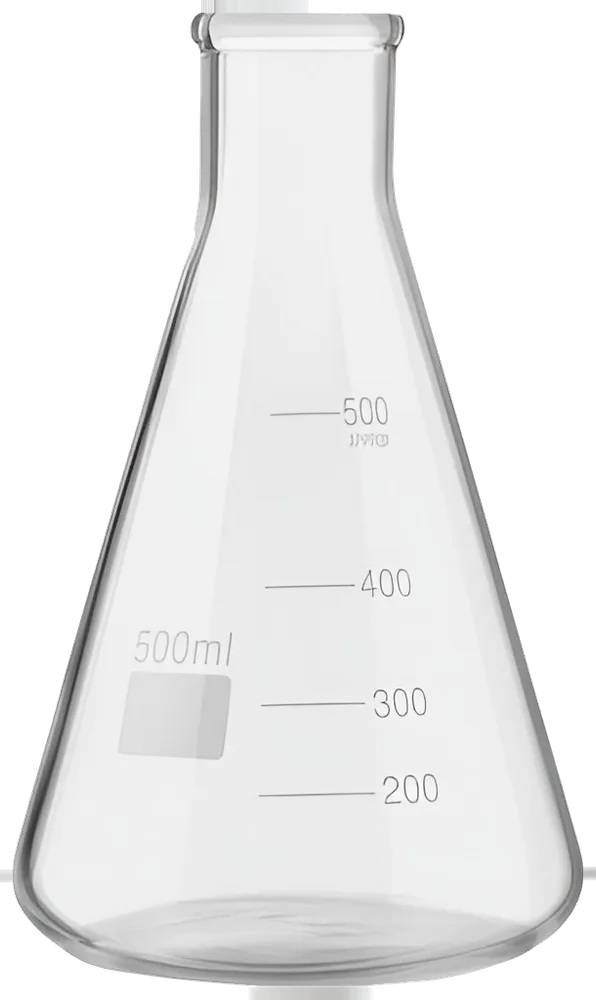
Best for: Flasks
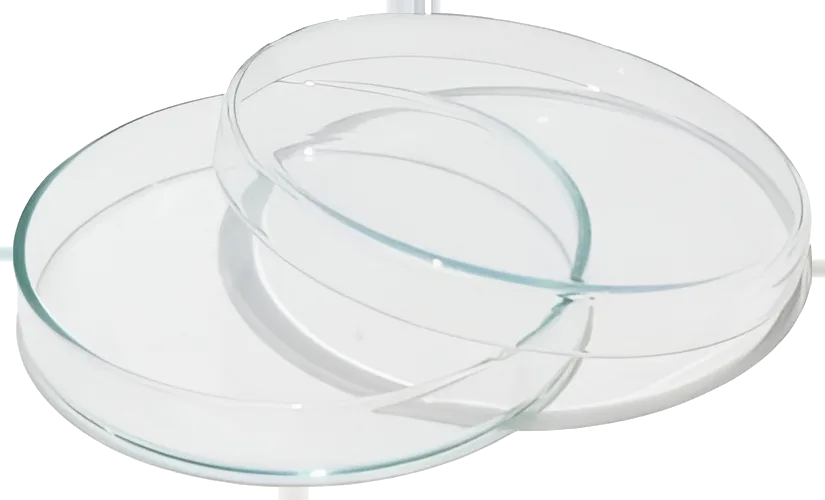
Best for: Beakers & dishes

Best for: Beakers & dishes
Tell us what you are setting up and roughly how many of each. We will suggest a configuration and prepare one quote for the whole list.
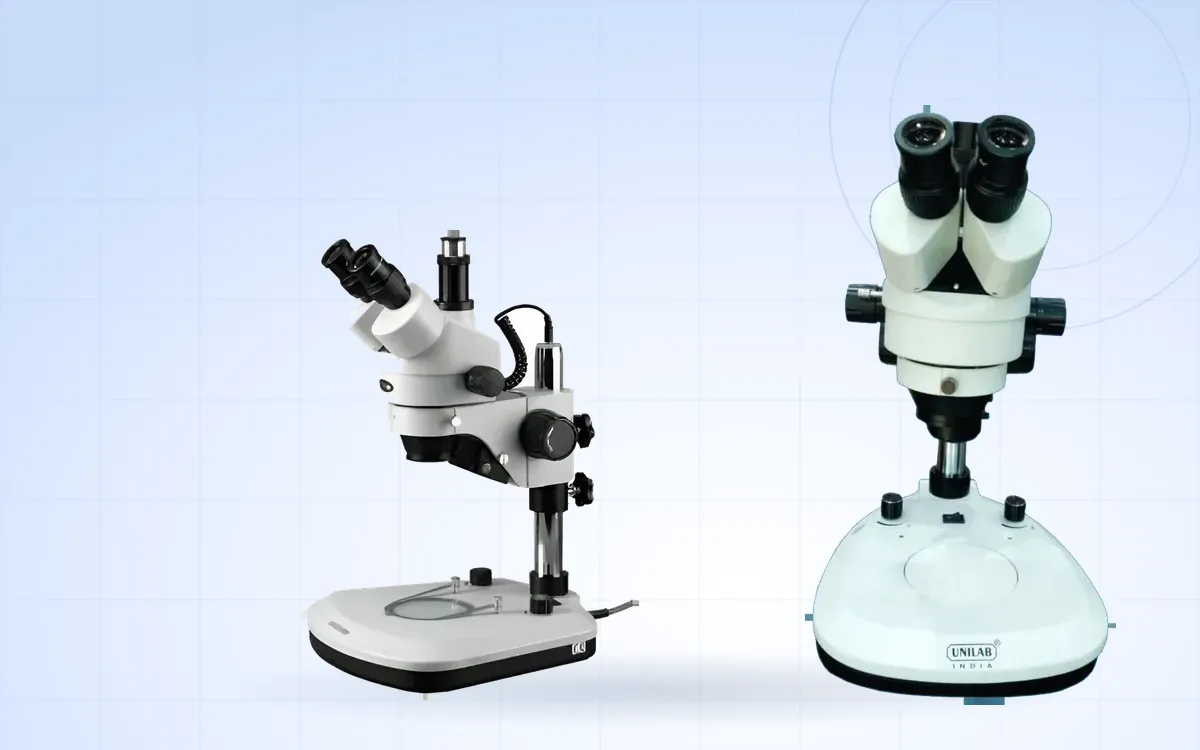
One gives a three-dimensional view of whole objects at low power. The other looks through thin specimens at high power. Choosing between them starts with the sample.
Dust, immersion oil and humidity cause most microscope problems. A few habits at the end of each session prevent nearly all of them.
Before you compare models or prices, settle these eight questions. They decide most of the specification for you.